


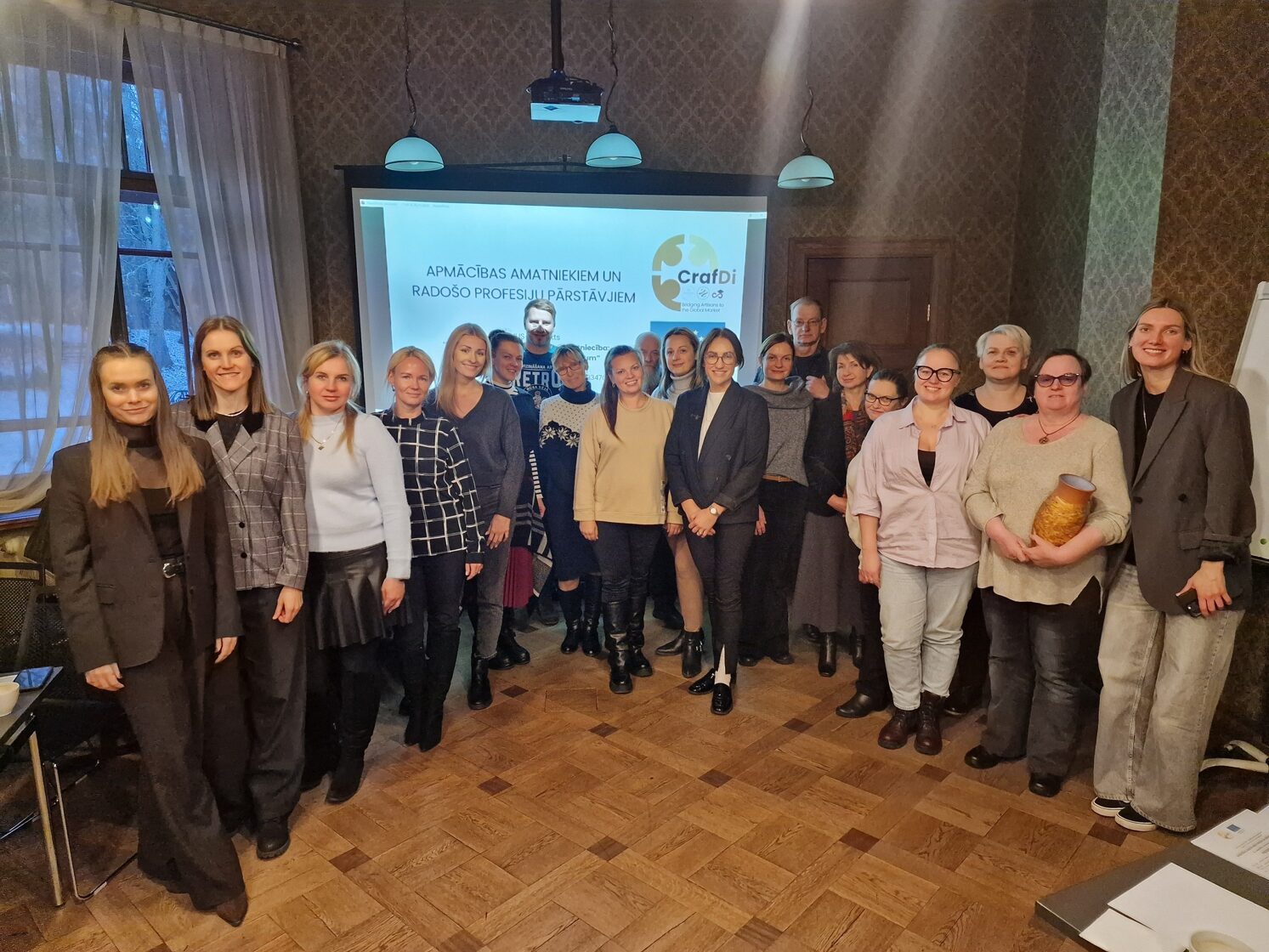
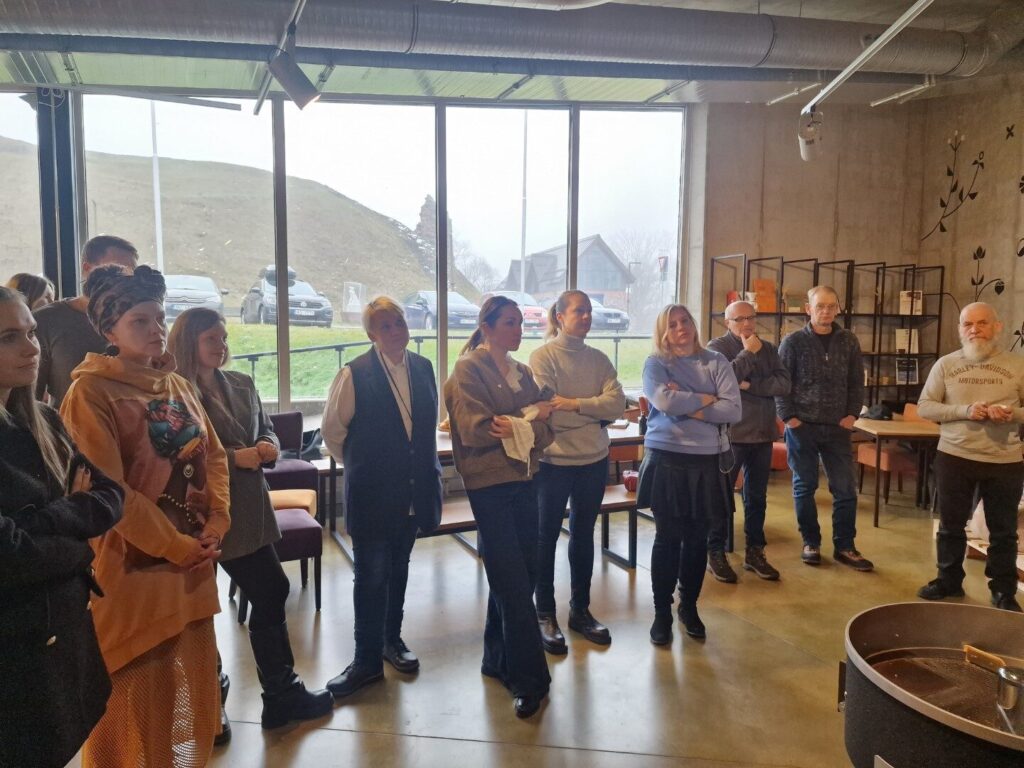
On 26 November and 2 December, craftspeople from across the Latgale region gathered at Lūznava Manor and in Rēzekne at the coffee roastery KUUP Coffee Roastery for training sessions organised within the ERASMUS+ project “CrafDi.” The training focused on digital marketing and entering global markets.
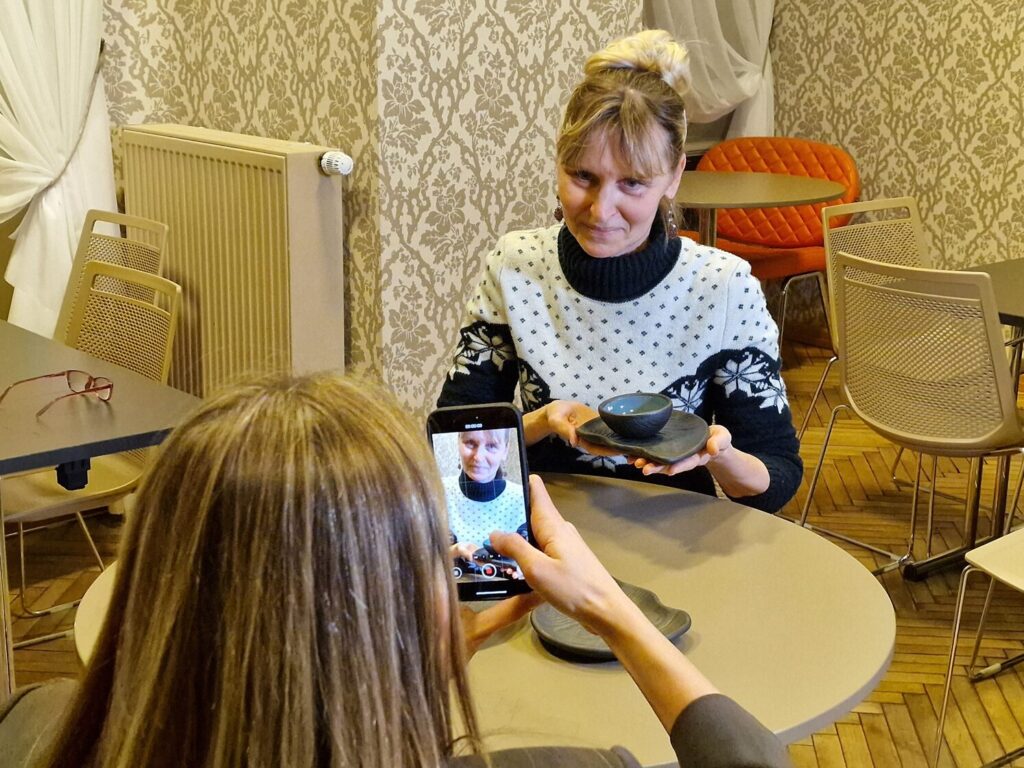
The first day passed quickly. Trainers Katrīna Bartkeviča and Marta Vorkale from the creative studio Sistering, together with digital content creator Daiga Laizāne, shared practical advice useful both for beginners in social media and for those who create and publish content every day. In the afternoon, participants rolled up their sleeves and got to work themselves: taking photos, filming videos, searching for the best angles and compositions, testing newly learned techniques, and creating dynamic content that will help craftspeople become more visible and recognisable.
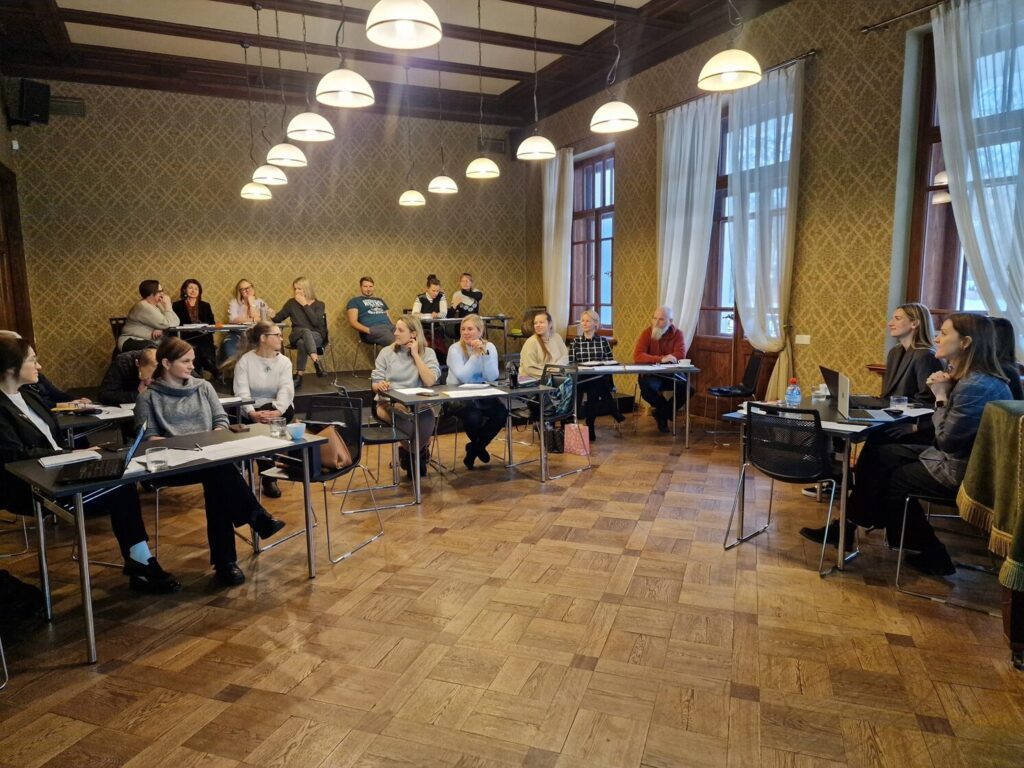
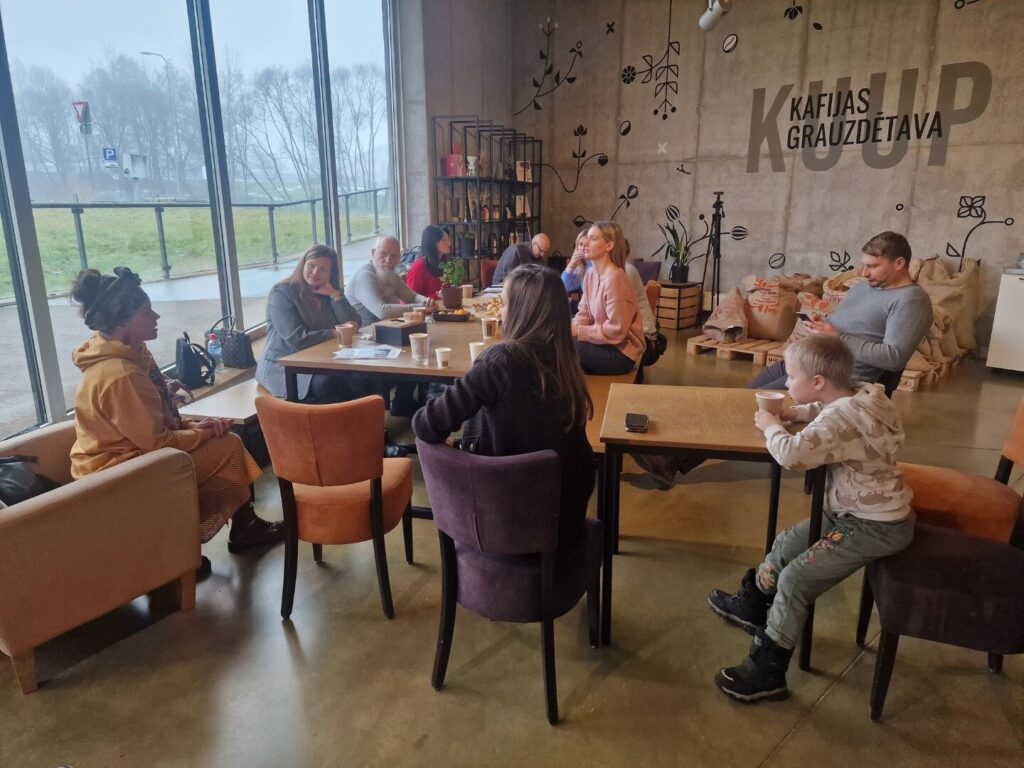
The second day of the in-person training, held on 2 December, focused on experience sharing among craftspeople, as well as inspirational stories and practical advice on sales, branding, and visibility in the digital environment.
Oskars Maculevičs, owner of KUUP Coffee Roastery, shared insights from his entrepreneurial experience, emphasising that producing a product is only half the challenge: “Producing is not the problem; selling is the harder part. You need to understand who truly needs your product.” He spoke about the decision to focus on the local market and high product quality. Oskars also highlighted the importance of a company’s “human face”, the smaller the business, the more visible its owners should be.
Liāna Merņaka also shared her experience, speaking about selling on the platform Etsy and current digital trends. She noted: “If craft is approached as a business, it must also be approached analytically. You need to follow trends and market demand.” Liāna emphasised that it is equally important to carefully choose a target market, create clear value for the product, maintain high visual quality, and regularly remind customers about the brand. She also mentioned a new trend: it is becoming increasingly important for businesses and products to be discoverable not only through search engines like Google but also through artificial intelligence tools.
Ceramic artist Viola Anna Bīriņa shared her experience of working in a small family business where responsibility for everything lies within the team itself: “It allows us to adapt quickly and change direction according to demand.” She explained that the ceramic pieces created at Cukrasāta “speak for themselves,” which is why promotion often spreads from person to person. Currently, the order calendar is filled until March, and the products are sold locally at “Cukrasāta,” at fairs, in Latvian craft shops, and also exported abroad.
Training participants noted that the second day provided practical knowledge, inspiration, and confidence to work more actively on their brand and sales in the digital environment. In the training evaluation surveys, all participants awarded the trainers 5 out of 5 stars. We are glad that the training was appreciated and hope the newly acquired knowledge will be put to good use.
The training sessions were organised within the ERASMUS+ project CrafDi. The project is implemented by Lūznava Manor in cooperation with partners from Greece and Turkey.
Funded by the European Union. Views and opinions expressed are however those of the author(s) only and do not necessarily reflect those of the European Union or The State Education Development Agency (hereinafter – VIAA). Neither the European Union nor the granting authority (VIAA) can be held responsible for them.


Bir yanıt yazın